Citrus or Aquatic Perfume: Compare Two Different Fresh Styles
Choose citrus or aquatic perfume by the kind of freshness you enjoy. Start with citrus if you like the bright, zesty smell of fruit peel. Try aquatic if you prefer a watery or sea-air impression. Many perfumes combine both, so look beyond the first spray. Compare the freshness, sweetness and settled finish before deciding which bottle fits your taste.
“Fresh” is a broad description, and two fresh fragrances can feel quite different. One may suggest grapefruit peel over dry woods, while another combines marine notes with soft flowers and musk. For shoppers in Pakistan, the useful question is which balance you want during your normal routine. This guide helps you read descriptions, shortlist samples and explain your preference clearly.

Citrus Or Aquatic Perfume: What Is The Difference?
Citrus fragrances emphasise the smell associated with fruits such as lemon, bergamot, grapefruit or mandarin. Aquatic fragrances create an impression of water, sea air or marine freshness. Both belong within the broader range of fresh fragrance families, and they often appear together in one composition.
The distinction is about scent character. It does not tell you how strongly a perfume projects, how long it lasts or whether you will enjoy its later stages. Use this comparison to identify what you want to smell, then assess the actual sample.
| Style | Scent Clues | What To Assess |
|---|---|---|
| Citrus | Lemon, bergamot, grapefruit or mandarin | Peel-like brightness versus juicy sweetness |
| Aquatic | Watery, marine or sea-air accords | Airy freshness versus floral or woody depth |
| Blended | Citrus alongside aquatic notes | Which impression leads after the opening settles? |
Citrus For Zesty, Peel-Like Brightness
A citrus perfume is worth exploring if you enjoy the smell released when peeling an orange or cutting a lemon. Look for lemon and grapefruit notes, bergamot, lime or mandarin in the description. These give you a direction to investigate rather than a promise that the perfume will smell exactly like fresh fruit.
Pay attention to the words surrounding the citrus. “Zesty” or “peel-like” points towards a different expectation from “juicy” or “sweet.” A fresh citrus fragrance can also include herbs, flowers, musk or woods. You might enjoy its sharp opening but prefer a softer finish, or want the drier character to remain noticeable.
When comparing a bergamot perfume with another citrus blend, ask what accompanies the bergamot. Is the overall profile aromatic, floral, sweet or woody? That question helps you choose between two bottles that share a note but offer different experiences. Smell beyond the opening before treating them as interchangeable.
Aquatic For Watery And Marine Freshness
An aquatic perfume suggests water through a blend of fragrance materials. Marine fragrance notes can evoke sea air or ocean spray, while other watery impressions may sit beside green or floral notes. “Aquatic” therefore describes a scent direction rather than one fixed smell.
Read an ocean-inspired fragrance description for its accompanying notes. Mint and herbs can add an aromatic aspect; flowers can soften the profile; woods and musk can give it a fuller background. An aquatic label alone cannot tell you whether the finished perfume will feel crisp, sweet or warm to you.
If you are considering a marine perfume, describe the coastal association you want. Do you like an airy sea-breeze effect, or would you prefer freshness with noticeable woods? If a sample feels too sweet or too floral, identify that part of the blend. You may still enjoy another aquatic composition with a different balance.
What If A Perfume Combines Both Styles?
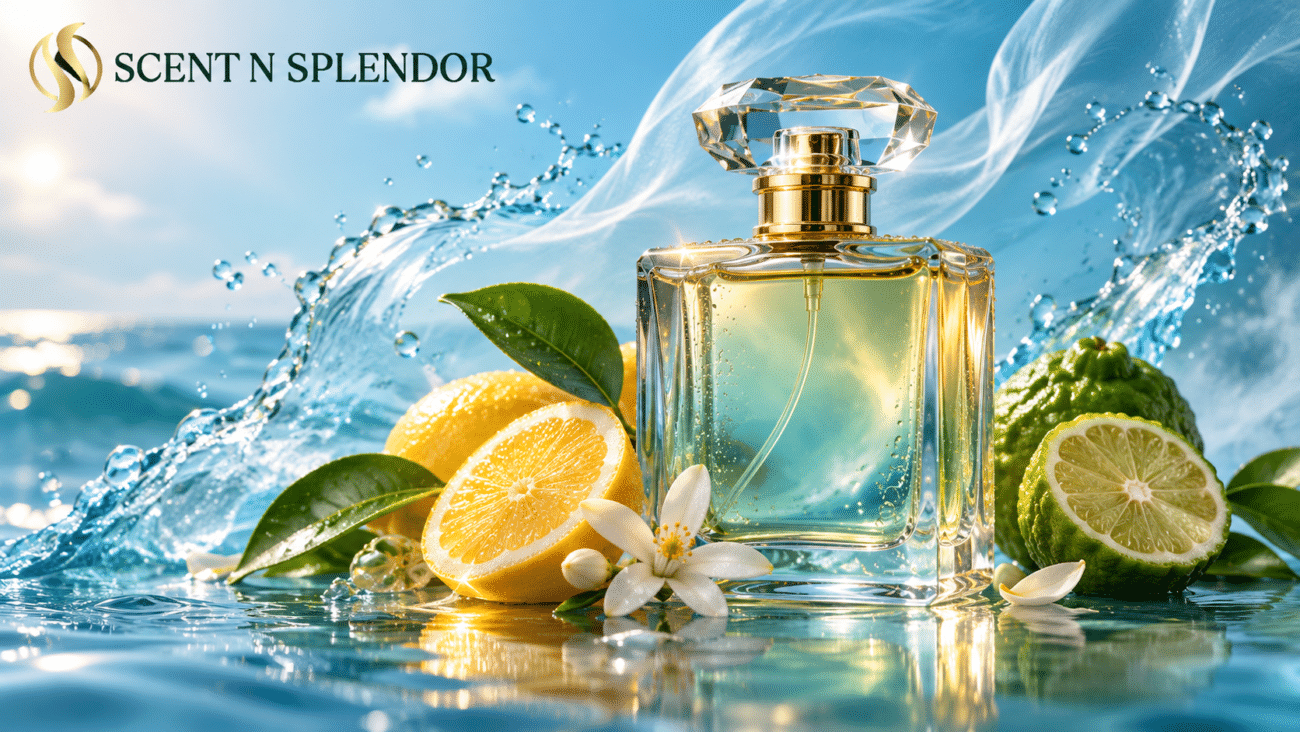
A citrus aquatic perfume can give you fruit-peel brightness alongside watery freshness. The two descriptions are compatible. A bottle listing bergamot and sea notes is not necessarily offering two separate stages; you may notice them together, with other aspects becoming more apparent as it settles.
Instead of asking whether it is strictly citrus or aquatic, identify which impression leads. On one sample, you might write “bright peel with a watery background.” On another, “marine freshness with a little citrus.” This makes a citrus vs aquatic fragrance comparison more useful than sorting every bottle into a single category.
Look at the heart and base as well. Watery perfume accords may be paired with florals, aromatic herbs or woods. A fresh woody perfume can begin brightly and leave a warmer impression later. Check whether you enjoy that transition, particularly if the opening was what attracted you.
For example, imagine enjoying a zesty citrus opening but finding the later amber sweetness too rich. Your next request could be “a citrus-led sample with a drier finish.” If the citrus seems too sharp but you like the watery background, ask for a marine-led blend with softer fruit brightness. These are shopping examples, not descriptions of tested products.
For the broader decision between bright and sweeter scent directions, read Fresh or Sweet Perfume: Which Scent Direction Fits Your Taste?.
How Can You Choose A Fresh Scent For Your Routine?
When choosing citrus or aquatic perfume, start with a real occasion. Think about the setting, how noticeable you want the fragrance to feel and which part of its character matters most. A fresh label cannot make those decisions for you.
If you are looking for a summer perfume in Pakistan, test the candidate during a typical day that includes your usual indoor and outdoor activities. Do not choose solely because the bottle looks blue or the name suggests cooling water. Those visual cues cannot establish the scent or predict your comfort with it.
For an indoor afternoon, consider whether you enjoy its later floral, woody or musky character. For an evening visit, ask whether the same finish still appeals to you. You may find one sample works across your routine, or prefer different balances for different occasions. Follow any fragrance policy in shared spaces.

How To Compare Citrus Or Aquatic Perfume On Skin
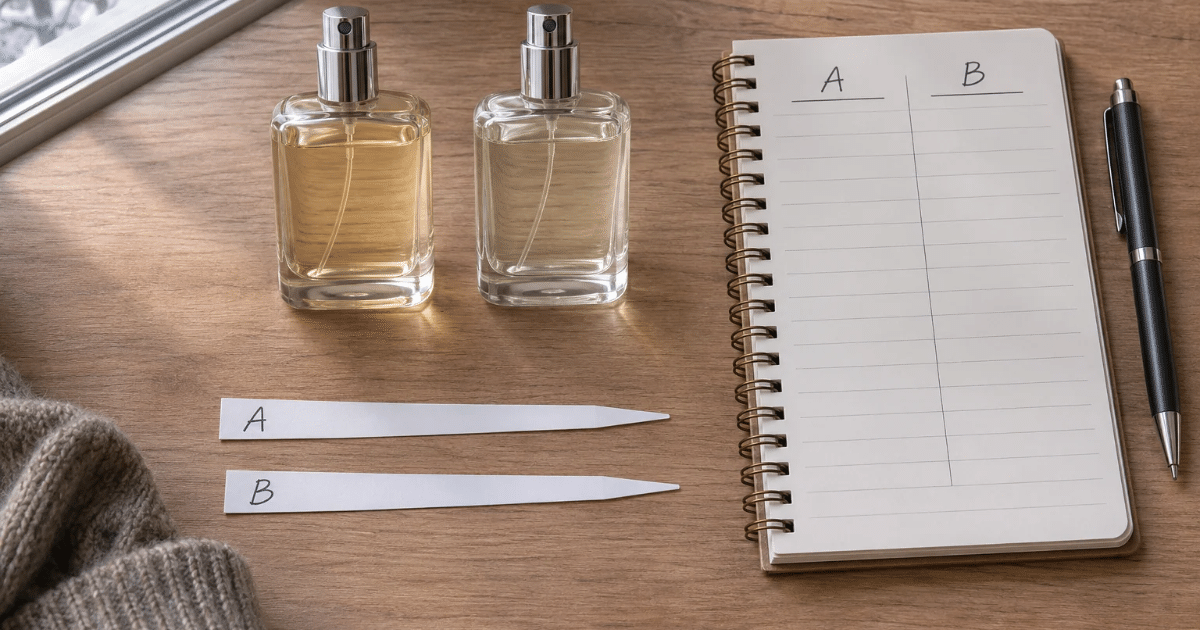
- Shortlist Two Distinct Profiles. Begin with one citrus-led and one marine-led sample where available. Write down what you want to learn, such as whether you prefer peel brightness or a softer watery impression.
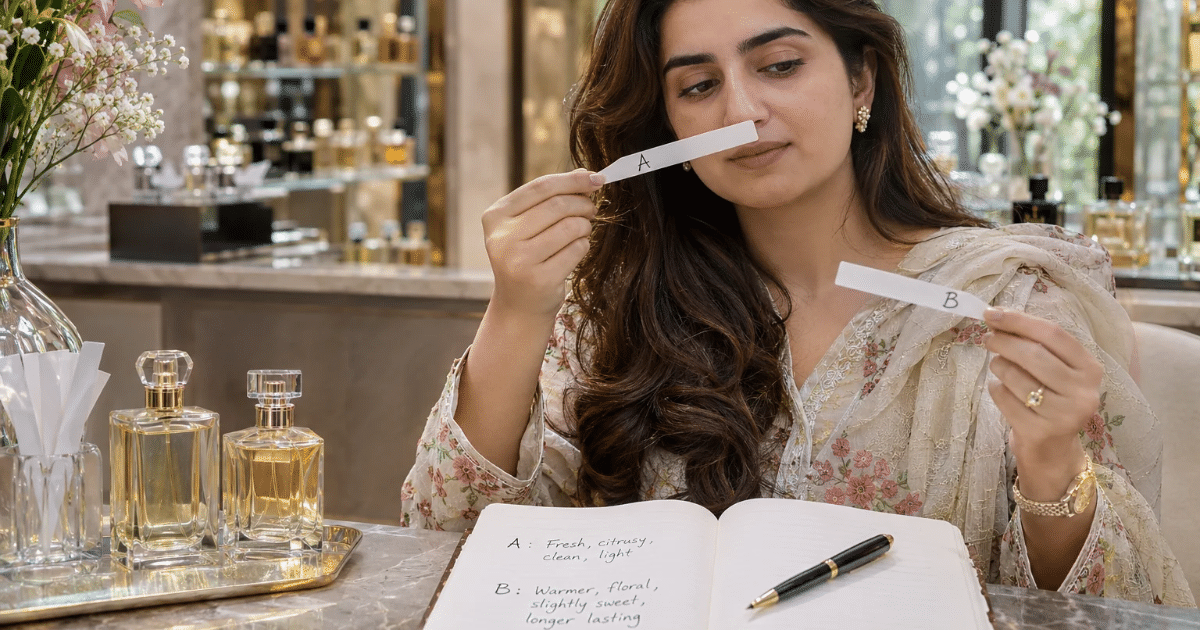
- Label Separate Blotters. Record the fragrance name on each paper strip and keep them apart. Smell each after the initial spray settles. Use your own descriptive words rather than trying to identify every listed note.
- Try Finalists On Separate Days. If skin testing or samples are available, follow the product directions and use comparable amounts. Keep other scented products similar so they do not complicate the comparison.
- Record The Settled Character. Revisit the sample later. Note whether citrus remains prominent, marine freshness becomes softer or a woody musky dry-down takes over. Record sweetness separately from how noticeable it feels.
- Judge A Repeat Wear. Ask whether you would reach for the sample again during the routine you planned. If you like only a brief opening, finish a sample before committing to a larger bottle.
Knowing how to compare perfume samples also helps you explain a disappointing trial. “Too sweet after it settles” gives the retailer a more useful starting point than “not fresh enough.” Likewise, if you enjoy the character but find it too noticeable, assess a smaller application on another day before deciding whether the composition suits you.
When choosing a fresh everyday scent, keep a brief record of what you actually wore and enjoyed. You do not need numerical scores. A note such as “liked the citrus, wanted less floral sweetness later” gives your next purchase a clearer direction.
Explore Ocean Mist And Hit Back
Ocean Mist lists bergamot, mint, lavender and sea notes, followed by floral, green and marine accords. Its base includes cedarwood, amber, musk and sandalwood. Consider it if you want to explore an aquatic opening with an aromatic character and a warmer woody finish.
Hit Back lists bergamot, mandarin, litchi and an aquatic accord, with orange blossom, neroli and marine notes in the heart. Musk, amberwood, tonka and soft woods appear in its base. It offers a citrus and marine blend with fruit and floral aspects to compare. Both products combine fresh styles; neither is presented here as a pure demonstration of citrus or water.
Explore Ocean Mist and Hit Back at Scent N Splendor, then ask about current tester options and sizes. When buying a fresh perfume in Pakistan, use the full profile to shortlist and the settled sample to decide. Your choice of citrus or aquatic perfume should reflect the freshness you want to wear again.
Frequently Asked Questions
Does Aquatic Perfume Contain Seawater?
An aquatic description refers to a watery or marine scent impression. It does not establish that seawater is an ingredient. Perfumers can create sea-like effects with fragrance materials and accords. If a specific ingredient matters to your purchase, check the product information or ask the maker rather than inferring the formula from an ocean-themed name.
Does A Citrus Note Mean Natural Fruit Oil Is Used?
A citrus note describes an aspect of the intended smell. It does not provide a complete ingredient declaration or establish how that impression was made. Natural citrus materials exist, but a note list alone cannot confirm their use in a particular bottle. Ask the brand for product-specific information if the material’s origin matters to you.
Will Citrus Or Aquatic Perfume Last Longer?
You cannot reliably choose the longer-lasting bottle from these style names alone. The complete composition and the specific product matter. A citrus-led opening can change while other notes remain, so distinguish losing the bright opening from losing the whole fragrance. Compare the actual candidates over a full wear rather than assuming one fresh category always lasts longer.
Can Citrus Or Aquatic Perfume Smell Sweet?
Yes. Either style can include fruit, sweet floral notes, amber or other sweet aspects. A perfume may feel crisp initially and become sweeter later. Read the full profile and ask about the settled finish if restrained sweetness is important to you. A fresh label does not establish that the whole composition will feel dry.
Are Fresh Fragrances Only For Summer?
You can choose a fresh fragrance whenever you enjoy wearing it. Seasonal categories are useful browsing cues, but they do not decide personal preference or suitability for every setting. Try the sample during the conditions and routine you have in mind. You may particularly enjoy a fresh opening followed by a warmer finish during cooler weather.
What Should I Check When Buying A Fresh Perfume Online?
Check the overall description, heart and base notes, available sizes, tester options and current return terms. Ask whether the profile leans citrus, marine, floral, sweet or woody. If you have only smelled a paper strip briefly, allow for uncertainty about the later stages. Avoid treating the name, bottle colour or a general category as a full scent description.